

the "no complain" rule
peace isn’t found in perfection, but in perspective

Some days I catch myself complaining before I even realize it - about how tired I am, how much work I have, how nothing feels enough. But the more I talk about it, the heavier it gets.
Lately, I’ve been trying something different.
A quiet rule.
No complaining. Just noticing. Just doing.

“Complaining is like bad breath — you notice it when it comes out of someone else’s mouth, but not your own.” — Will Bowen
Complaining feels like a release - but often keeps you stuck.
It gives the illusion that you’re doing something, when really, you’re just repeating the same story out loud, hoping it’ll sound better this time.
Complaining takes more from your energy than simply letting go.
You start attaching yourself to the problem, feeding it, until it feels like part of who you are. And once you make pain your identity, it’s hard to imagine yourself without it.

Peace isn’t about pretending nothing’s wrong - it’s about choosing your reactions wisely. It’s knowing when to speak, and when silence will protect your calm better than words ever could.
“Don’t complain. Just work harder.” — Jackie Joyner-Kersee
Education, or maybe awareness, teaches you that most of your stress doesn’t come from what happens, but from how you respond. Every unnecessary burst of emotion costs you peace.
And peace, once lost, takes too long to rebuild.

Complaining often comes from not knowing what to do next - or not wanting something badly enough to push through the discomfort.
That’s where discipline enters.
“Discipline is choosing between what you want now and what you want most.” — Abraham Lincoln
Try changing “I don’t want to do this because it’s hard” into “I must do this because it’s hard.”
It shifts something inside you - suddenly, effort becomes purpose.
When you start to complain, it’s rarely because you hate what you’re doing.
It’s because you’ve lost touch with why you’re doing it.
You’re forcing something that should flow, instead of reconnecting with the meaning behind it.
The “no complain” rule isn’t about being emotionless. It’s about being intentional. It’s about recognizing when words are healing, and when they’re just noise.
You can talk about what hurts - just not from a place of helplessness.
“Don’t raise your voice, improve your argument.” — Desmond Tutu
Complain less, observe more.
Not every feeling needs an audience; some just need understanding.
The less you complain, the more you notice how capable you actually are.
You don’t need to narrate your struggles to validate them. Sometimes, quiet strength speaks louder.And maybe that’s what peace really is - not the absence of problems, but the absence of unnecessary noise.
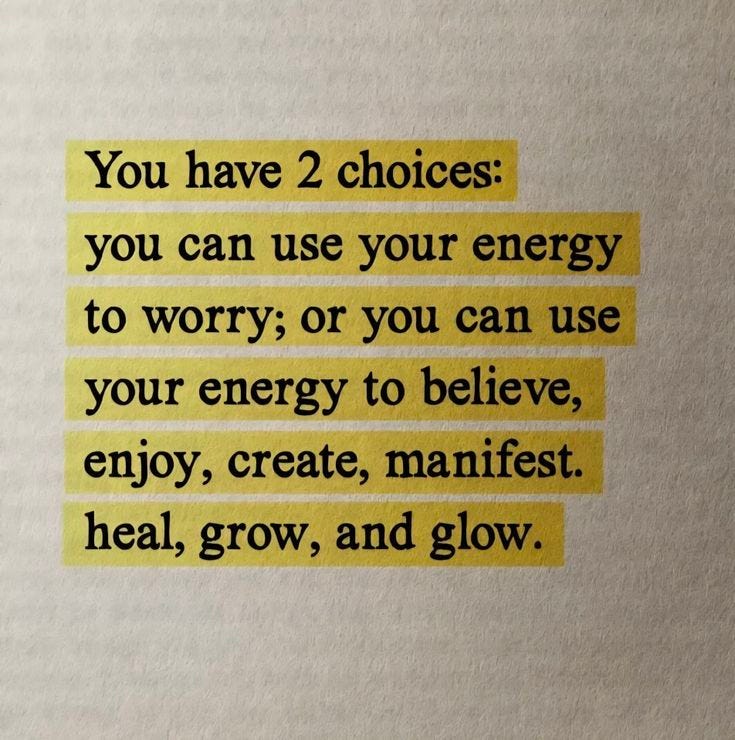
I like Eckhart Tolle on Complaining:
To complain is always non-acceptance of what is. It invariably carries an unconscious negative charge.
When you complain you make yourself into a victim.
If you find your here and now intolerable and it makes you unhappy, you have 3 options:
— remove yourself from the situation,
— change it,
or
— accept it.
beautiful.